

The future of surgical tourniquets is here.
ACTS replaces the cluttered legacy tourniquet setup — five cuff sizes, a pole-mounted compressor, and tubing across the floor — with two adaptive, self-contained cuffs designed by a surgeon who spent fifteen years working around the old ones.
3M+
U.S. surgeries a year use a pneumatic tourniquet
$646.48M
Global surgical tourniquet market in 2026, growing 7.4% CAGR
< 60 sec
Target setup time, cuff on to occlusion
The problem
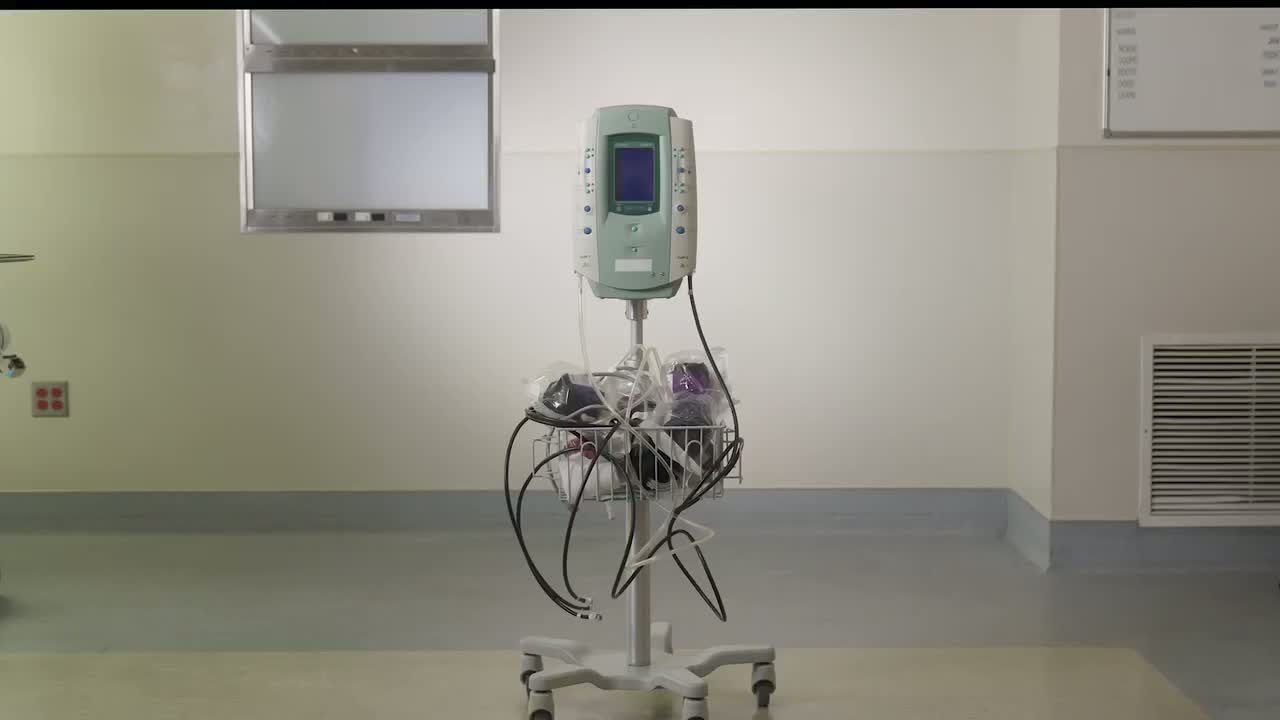
Today’s tourniquet takes up the room, carries the bacteria, and fills the shelf.
A pole-mounted compressor and its cart occupy floor space in an already crowded OR. Its housing, hoses, and reusable cuffs are handled case after case and are frequently found colonized with bacteria because they are rarely cleaned the way protocol requires. And five or more cuff sizes per limb means inventory to stock, sterilize, track, and scramble for mid-case.
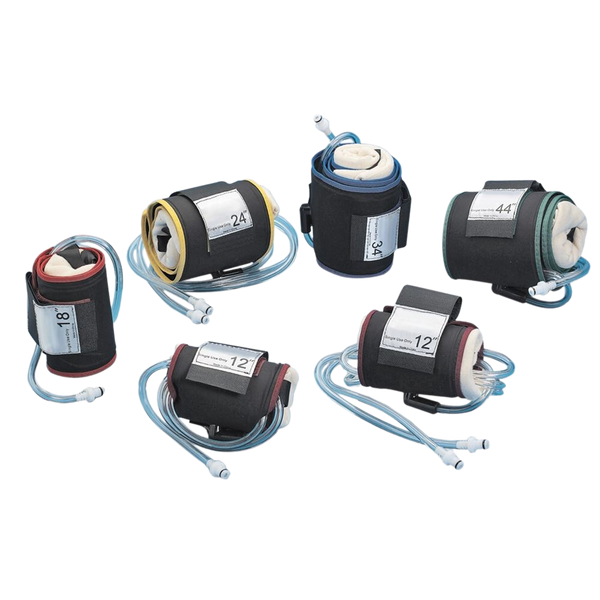
Five sizes to stock
Inventory, sterile processing, and the wrong-size scramble mid-case.
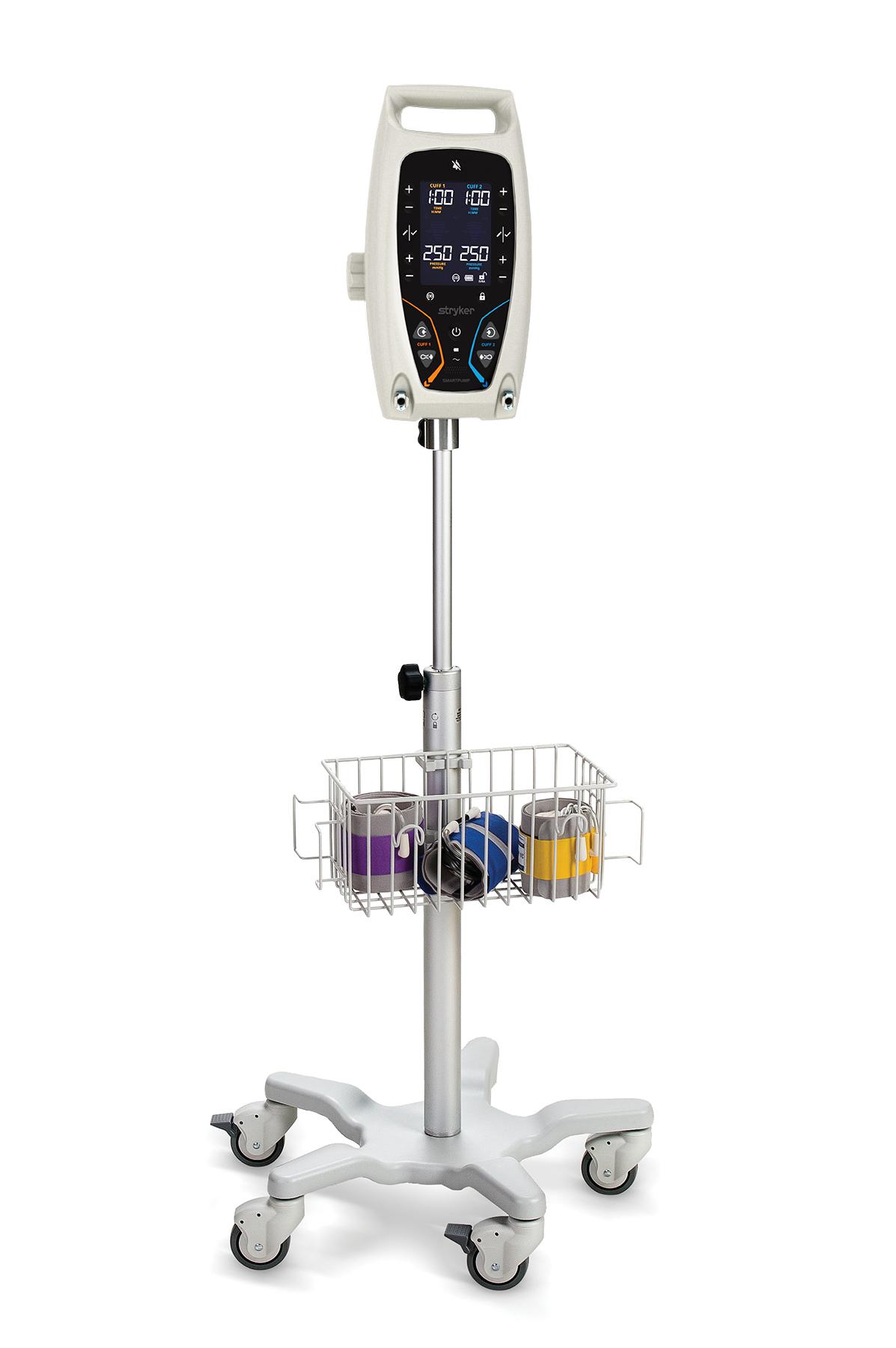
Large medical equipment taking up OR space
One more cart to move, plug in, clean, and service in an already crowded room — and in reality it is rarely cleaned the way it should be.
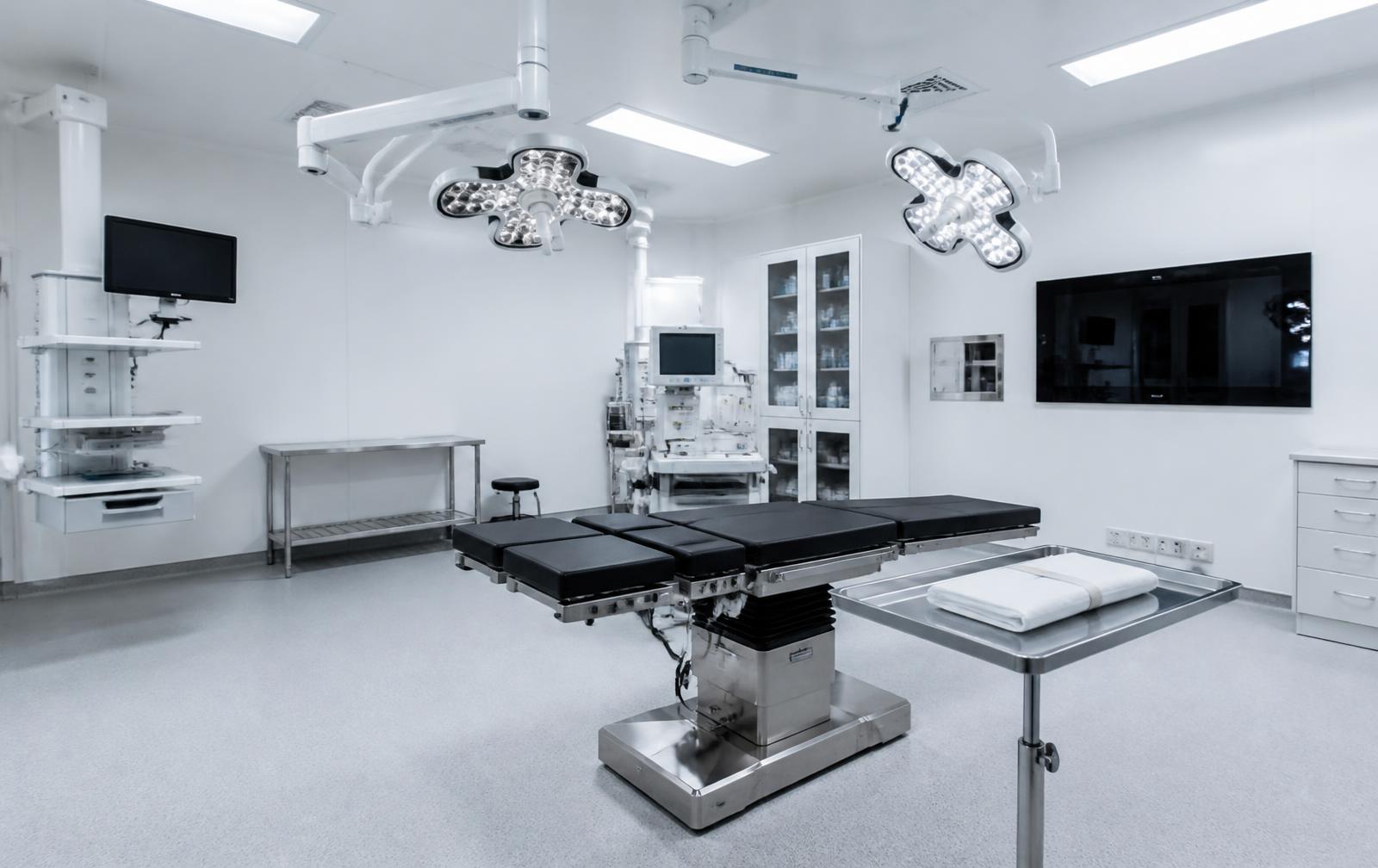
A setup that creates hazards in the OR
Cords to trip over, get in the way, clean, or violate sterile fields.
The ACTS approach
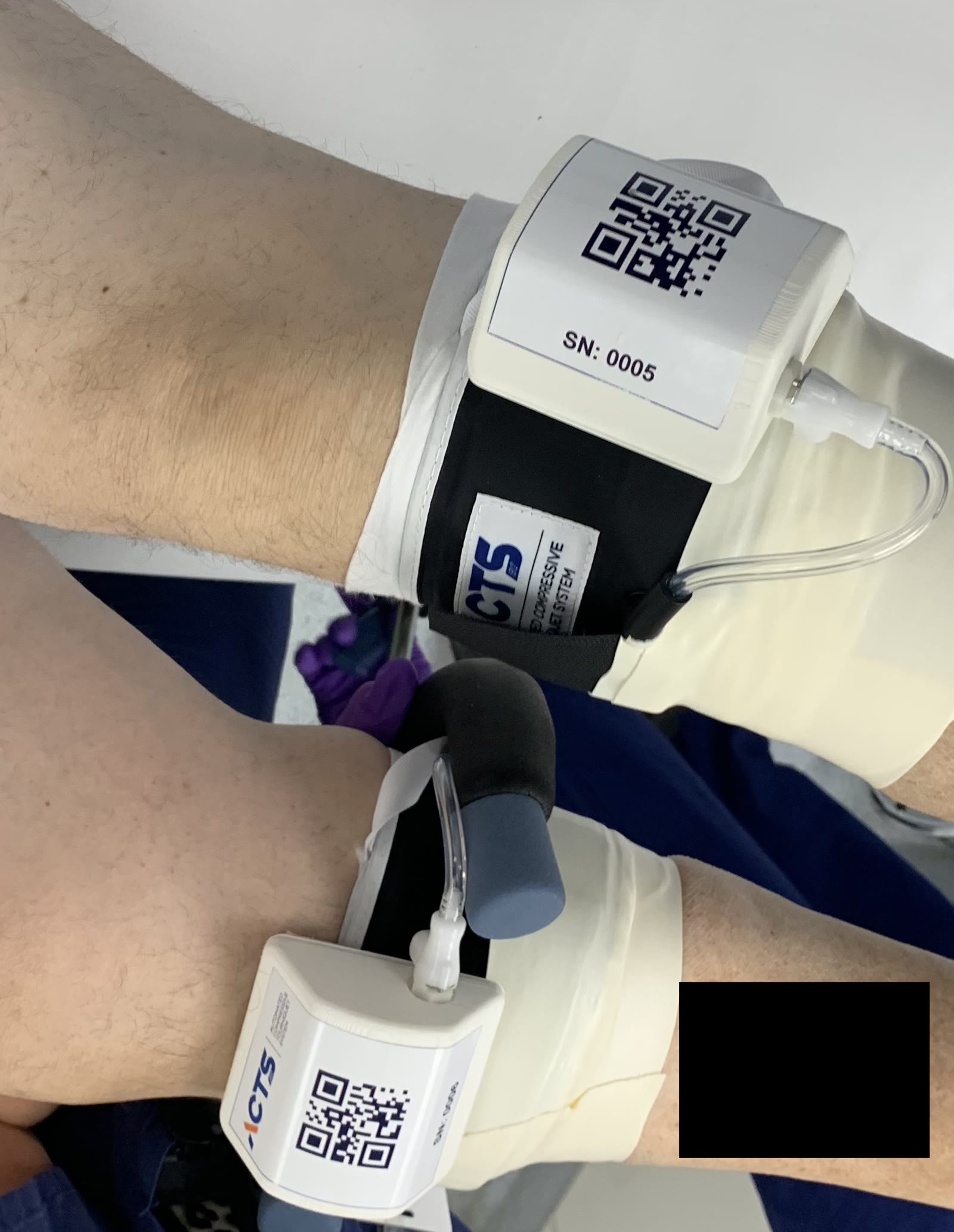
Two cuffs instead of five
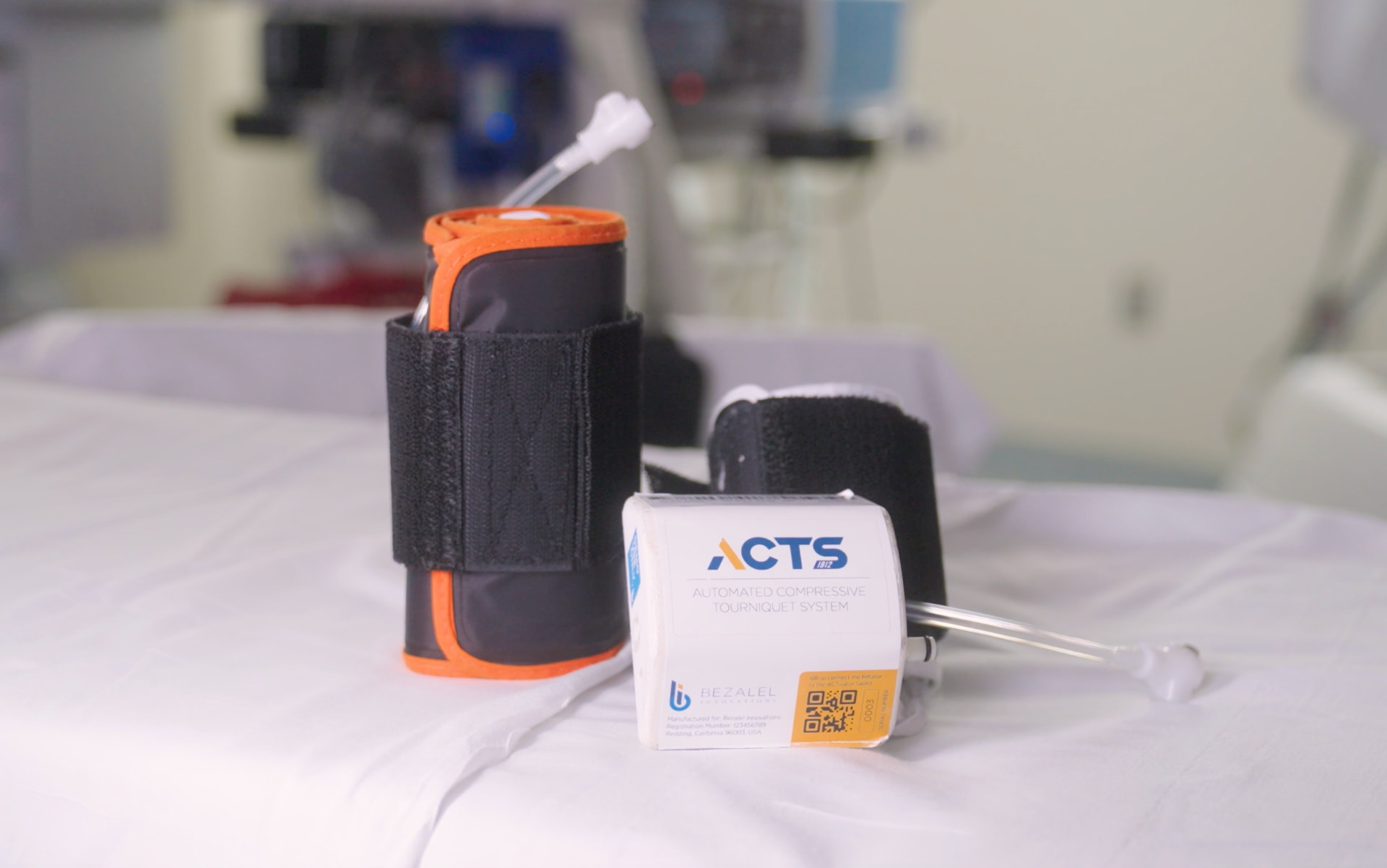
Adaptive geometry lets a Small and a Large cuff cover the limb range that legacy systems need five separate SKUs to serve. Less inventory, fewer wrong-size delays, simpler sterile processing.
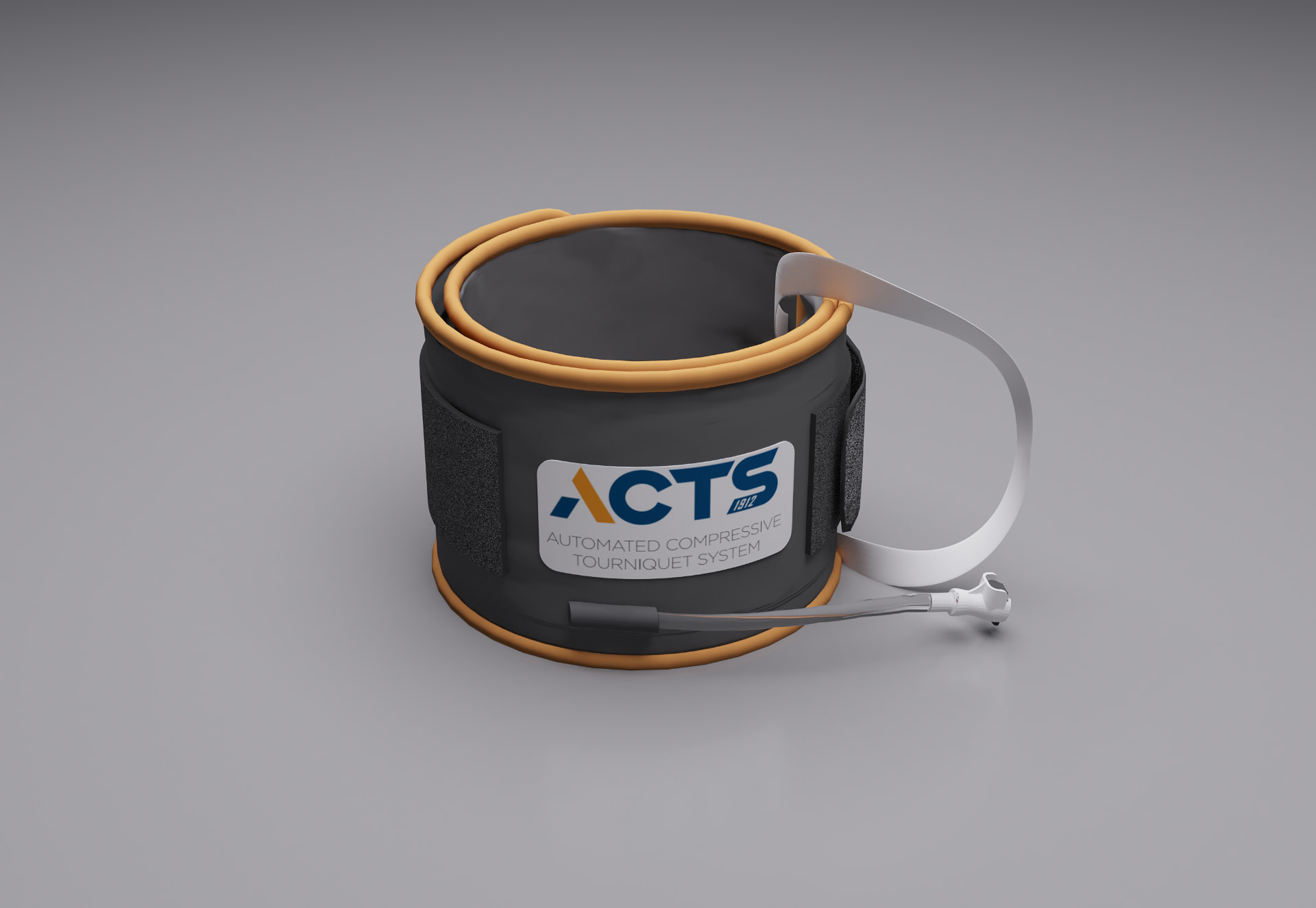
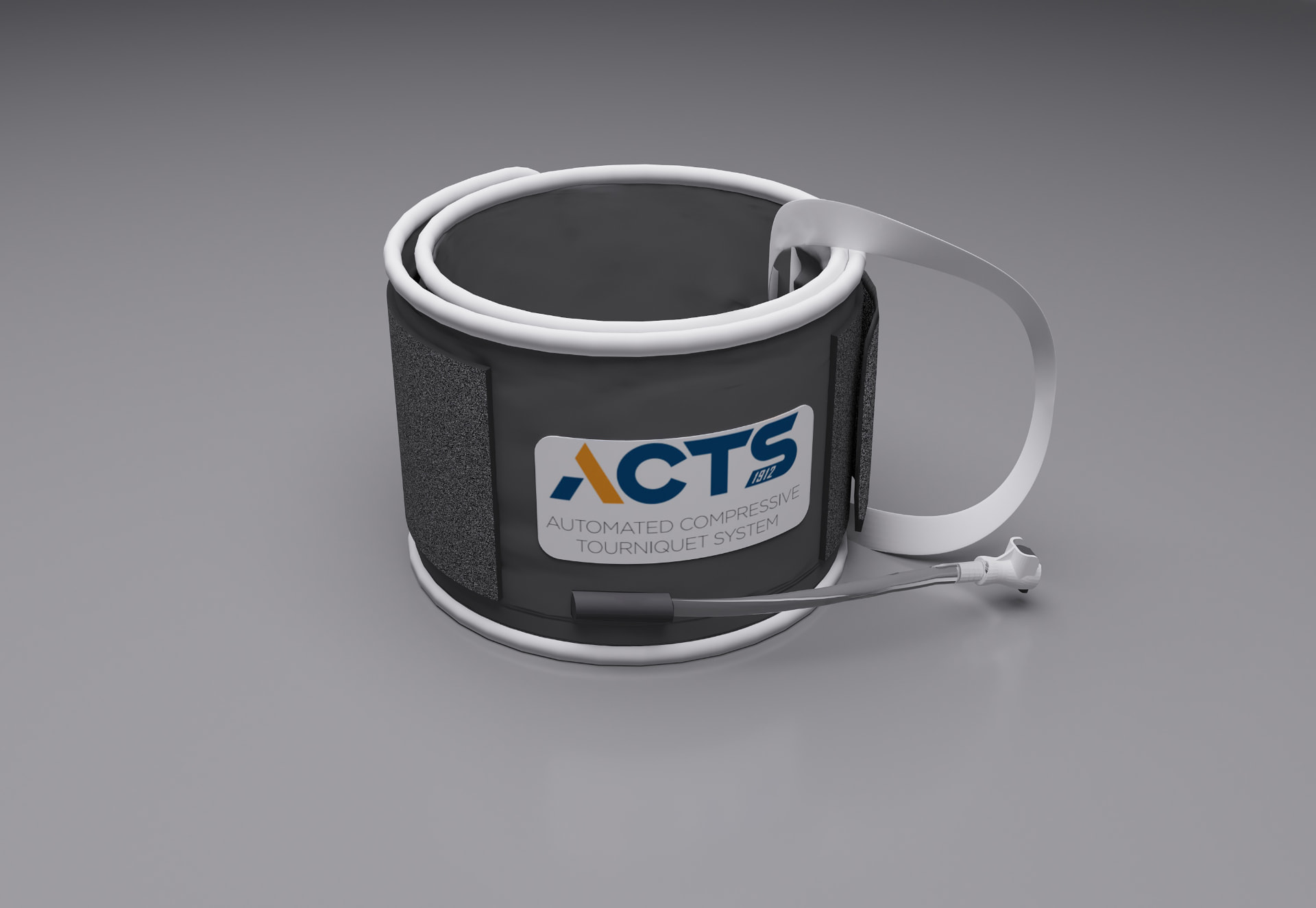
Wireless and self-contained
The micro-pump and battery move into the Inflator. The pole-mounted compressor, the tubing runs, and the trip hazards they create disappear from the operating room floor.
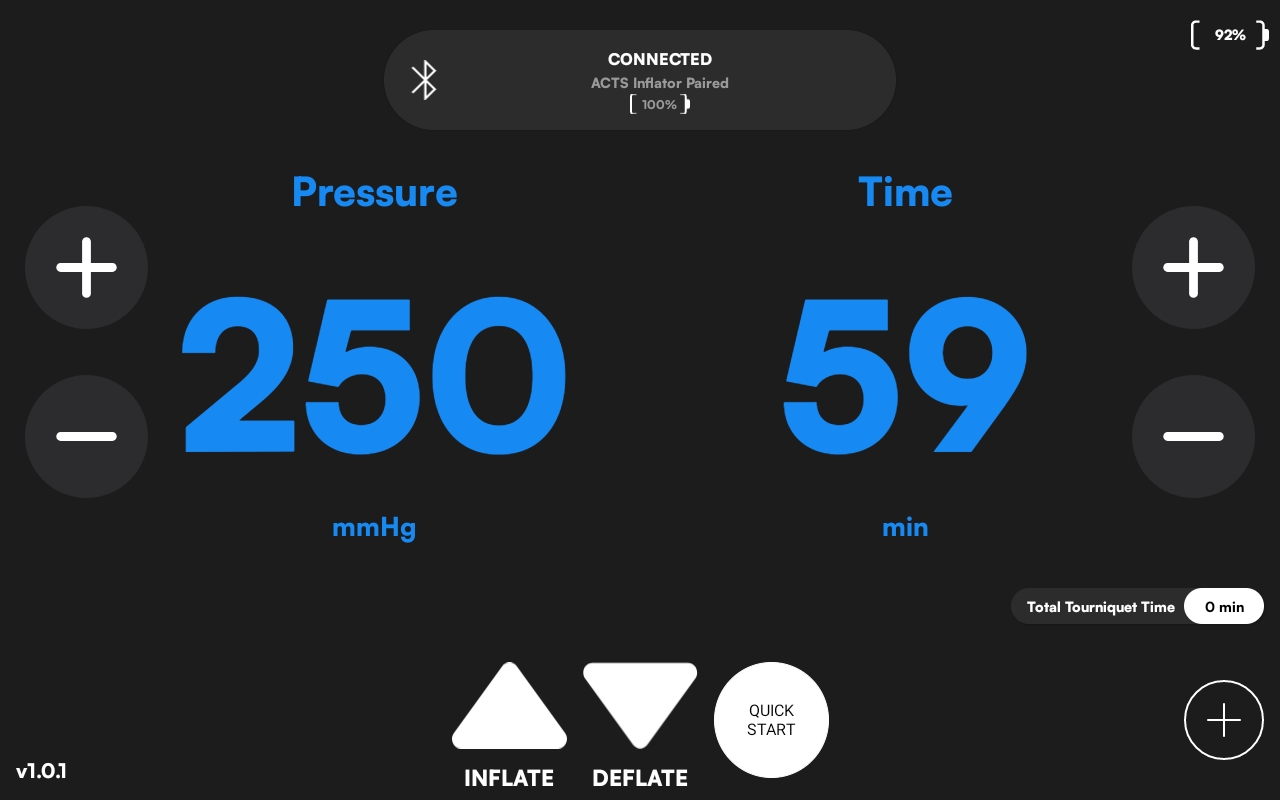
Engineered for self-learning pressure
ACTS is being engineered to measure each patient's limb occlusion pressure and hold the lowest effective pressure for the case - pressure that is measured, not assumed.
See it in use
Clinical ACTS
Bilateral cuffs applied at the point of care — no large tourniquet machine, no tubing, no large footprint in the OR. Just a cleaner, quieter experience that lets your team focus on the patient.
Why it matters
Less equipment. Less guesswork. Less time.
ACTS is offered as ACTS-as-a-Service: a subscription that covers the cuffs, consumables, and the usage data your facility needs — with no capital purchase of a compressor.
- Two cuff sizes instead of five or more
- No large space occupying tourniquet machine
- No tubing across the OR floor
- Engineered for automatic limb occlusion pressure (in development)
- Under 60 seconds to set up
- One cleanable, self-contained system

Who we are
Surgeon-founded, clinically grounded.
Bezalel Innovations was founded by Pieter Lagaay, D.P.M., J.D., after fifteen years of operating around the limitations of legacy tourniquet systems. Our advisory team pairs that clinical experience with device engineering, regulatory, and commercial depth.
Meet the teamACTS Early Adopter Offer
An exclusive early adopter invitation: $5,000 of ACTS value for $4,000. Offer expires December 31, 2026.
Explore the offerCalculate savings
Compare tourniquet cuff costs, inventory, and capital expense against ACTS.
Value Analysis ToolPhysicians & purpose
Connect with the mission behind Bezalel and start a conversation with our team.
Meet our mission